

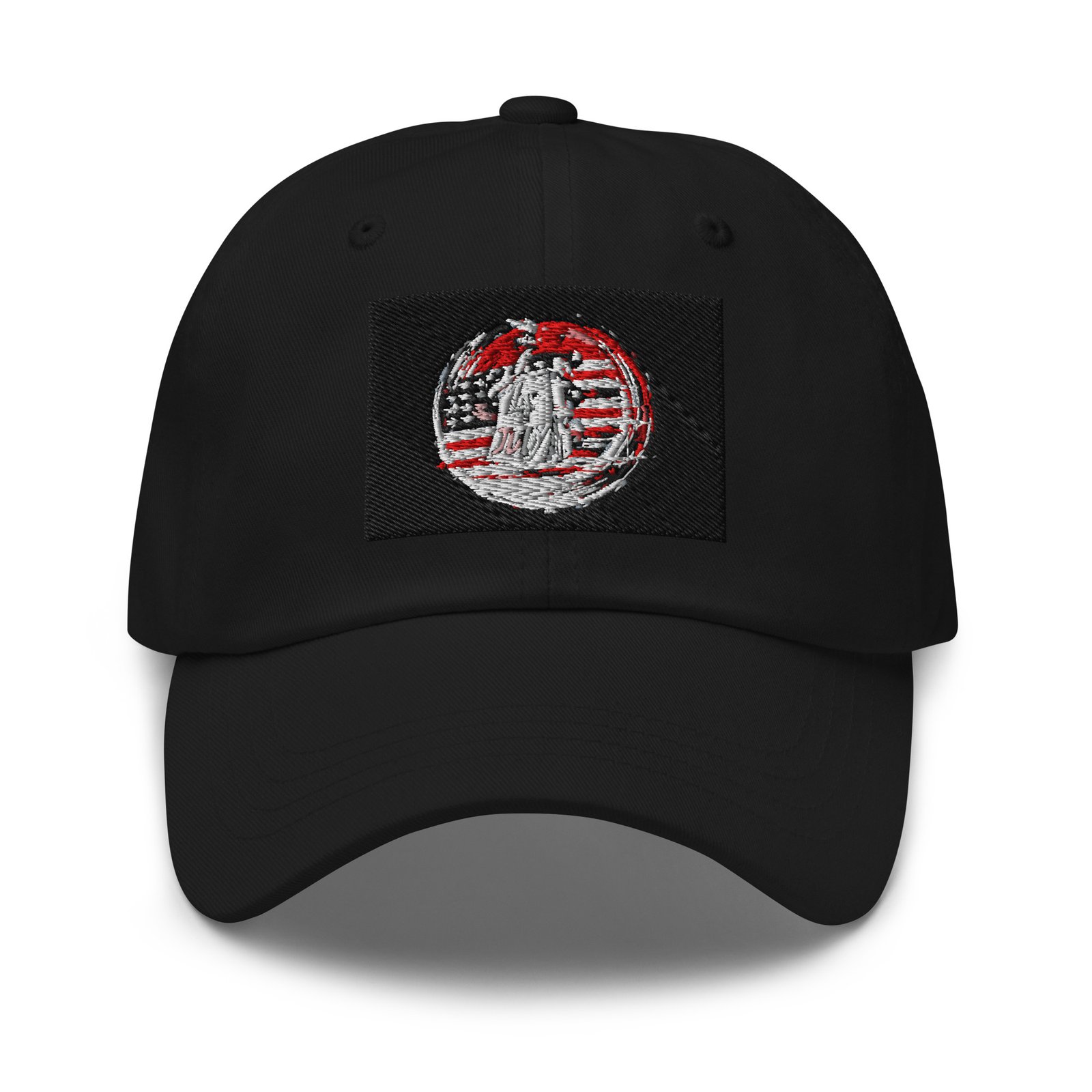
When you order custom apparel, the printing method matters as much as the design itself. It decides how bright the colors look, how the shirt feels against your skin, and how long the design survives the washing machine. The three methods you will see most often for custom and small-batch orders are DTG, DTF and embroidery. In this guide we compare DTG vs DTF vs embroidery side by side so you can pick the right one for your shirt, hoodie or hat.
Quick Answer: Which Method Should You Choose?
- Choose DTG for detailed, colorful artwork and photos on cotton t-shirts when you want the softest feel.
- Choose DTF for vivid designs on a wider range of fabrics, including blends and darker garments.
- Choose embroidery for logos, short text, hats and hoodies when you want a premium, long-lasting finish.
Keep reading for the details behind each recommendation.
What Is DTG Printing?
DTG stands for direct-to-garment. A specialized inkjet printer applies water-based ink directly onto the fabric, much like a paper printer prints onto a page. The ink soaks into the fibers, so the print becomes part of the shirt rather than sitting on top of it.
Advantages of DTG
- Soft feel: the print is barely noticeable to the touch, especially on light garments.
- Unlimited colors: gradients, shadows and photographic detail are reproduced well.
- Perfect for one-offs: there are no screens or setup, so printing a single shirt is practical.
- Eco-friendly inks: DTG typically uses water-based inks.
Limitations of DTG
- Works best on high-cotton fabrics; results on polyester are weaker.
- Colors can look slightly less punchy on very dark garments than other methods.
- Prints can fade gradually over many washes if not cared for properly.
What Is DTF Printing?
DTF stands for direct-to-film. The design is printed onto a special film, coated with an adhesive powder, cured, and then heat-pressed onto the garment. Because the design is transferred rather than printed into the fibers, DTF works on a much wider range of materials.
Advantages of DTF
- Vibrant colors: designs look bright and sharp, even on black and dark shirts.
- Fabric flexibility: cotton, polyester, blends and more can all be printed.
- Fine detail: small text and crisp edges reproduce well.
- Good durability: a properly pressed DTF print resists cracking and peeling.
Limitations of DTF
- The print sits on top of the fabric, so it feels slightly smoother and less breathable than DTG.
- Very large solid areas can feel heavier on the garment.
What Is Embroidery?
Embroidery stitches your design directly into the garment using colored thread. A machine converts the artwork into a stitch file, a process called digitizing, and then sews it with thousands of precise stitches. The result is textured, raised and instantly recognizable as premium.
Advantages of Embroidery
- Premium look: perfect for brand logos, uniforms and corporate merch.
- Exceptional durability: thread does not fade or crack like ink can, so it often outlasts the garment.
- Ideal for thick fabrics: hats, hoodies, sweatshirts and jackets look fantastic embroidered.
Limitations of Embroidery
- Not suited to photos, gradients or very fine detail.
- Has a limited number of thread colors per design.
- Large designs can feel stiff on lightweight t-shirts.
DTG vs DTF vs Embroidery: Side-by-Side Comparison
| Feature | DTG | DTF | Embroidery |
|---|---|---|---|
| Best for | Detailed art and photos | Bright designs on any fabric | Logos and short text |
| Feel | Softest, almost invisible | Smooth layer on top | Raised and textured |
| Color range | Unlimited | Unlimited | Limited thread colors |
| Fabrics | Mostly cotton | Cotton, polyester, blends | Most fabrics, best on thick ones |
| Durability | Good with proper care | Very good | Excellent |
| Single-item orders | Yes | Yes | Yes |
Which Method Is Best for Your Project?
Graphic t-shirts and artwork
For illustrated graphics, colorful prints and photo designs on cotton tees, DTG gives the softest result. If the shirt is dark or made from a blend, DTF keeps colors bright. Browse our graphic t-shirts to see printed designs in action.
Brand merch and uniforms
A small embroidered logo on the left chest looks professional and lasts. Many brands pair an embroidered chest logo with a printed design on the back for the best of both worlds.
Hats and caps
Embroidery is the clear winner. It holds its shape on structured caps and looks premium, like our 4th of July Independence Day Hat and Hand with Ukraine hat.
Hoodies and sweatshirts
Both work well. Choose embroidery for a logo or short word, and DTG or DTF for a large graphic. See our hoodies for ideas.
Team, event and bulk orders
For groups, think about how the shirts will be used. Embroidery suits staff uniforms that are worn every day, while printed designs are ideal for events, fundraisers and one-day celebrations. For larger quantities, you can request a quote.
How to Make Any Print Last Longer
- Wash garments inside out in cold water.
- Use mild detergent and skip bleach and fabric softener.
- Tumble dry on low or hang to dry.
- Never iron directly on a print; iron embroidery from the reverse side.
Design Tips for Each Method
Designing for DTG
DTG rewards detail. Use high-resolution artwork, ideally a PNG at 300 DPI with a transparent background. Gradients, soft shadows and photographic images reproduce well, so this is the method to choose when your design has many colors. Avoid large blocks of semi-transparent color, which can look uneven on fabric, and remember that colors may look slightly softer on dark shirts than on screen.
Designing for DTF
DTF handles crisp edges and small text very well, so it suits logos with fine details, layered typography and vivid illustrations. Because the print sits on top of the fabric, designs with lots of open space and thinner shapes feel lighter and more breathable than one huge solid block.
Designing for embroidery
Simplicity is key. Keep text larger than about a quarter of an inch tall, use bold shapes, and limit the design to a handful of solid colors. Remove gradients and tiny details, which cannot be stitched cleanly. A simplified version of your logo almost always looks better embroidered than the full, detailed artwork.
Cost and Order Size Considerations
For single items and small batches, DTG, DTF and embroidery are all practical because none of them requires screens or expensive setup. Price usually depends on the garment, the size of the design and, for embroidery, the number of stitches. Larger and more complex embroidery takes longer to sew, so a compact chest logo is the most cost-effective way to get that premium embroidered look. For printed designs, a front print alone is usually more affordable than printing on both front and back. If you are planning a larger team or brand order, ask for a quote so you can compare options for your exact quantity.
Frequently Asked Questions
Is DTF better than DTG?
Neither is better in every case. DTG feels softer on cotton, while DTF gives brighter colors on more fabric types. The right choice depends on your design and garment.
Does embroidery last longer than printing?
In most cases, yes. Thread does not fade or crack, so embroidery often outlives the garment itself.
Can I combine methods on one item?
Yes. An embroidered logo on the chest with a printed graphic on the back is a popular combination for brand merch.
Which method does ZEYRO use?
ZEYRO uses DTG and DTF printing for printed apparel and embroidery for items like hats, choosing the method that best suits each product.
The Bottom Line
DTG is the softest choice for detailed art on cotton, DTF delivers bold color on almost any fabric, and embroidery offers a premium, long-lasting finish for logos and hats. Ready to create your own? Start in the ZEYRO designer and preview your design live before you order.
